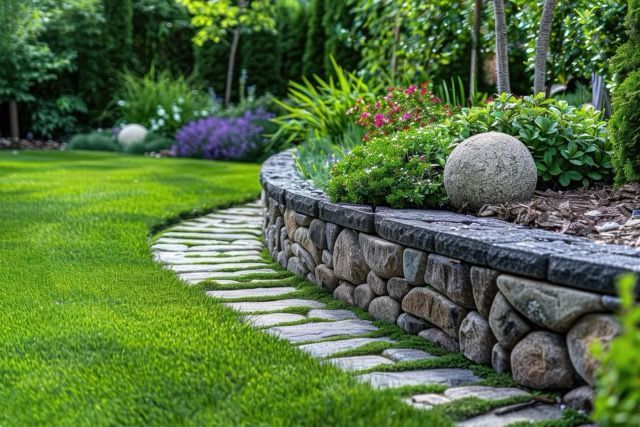
Balancing Hardscape and Softscape
Designing an outdoor space that truly feels like "you" is about more than choosing pretty plants or pouring a new patio. The most inviting yards in California have something in common: a thoughtful balance between hardscape elements like concrete, pavers, and decks, and softscape features like turf, trees, and planting beds.
At California Exteriors, we see this harmony play out every day in the landscapes we design and install across the Sacramento area. Let’s walk through how hardscape and softscape can complement each other, the techniques professionals use to keep everything in balance, and how to adapt these ideas to different types of properties.
What Do We Mean by Hardscape and Softscape?
In simple terms, hardscape is anything in your yard that’s built, paved, or constructed. Think concrete patios and walkways, driveways, retaining walls, outdoor steps, fire pits, and decks.
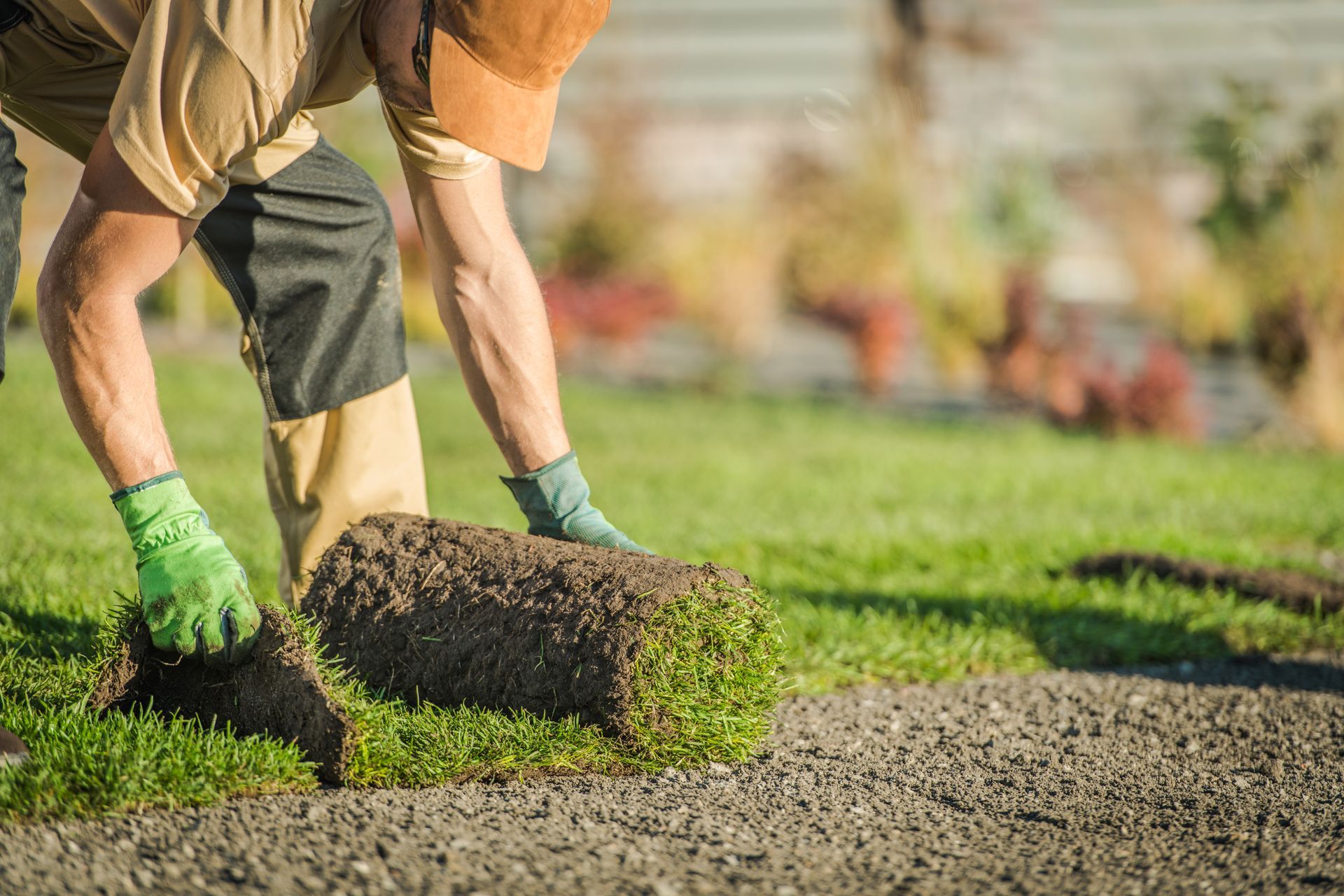
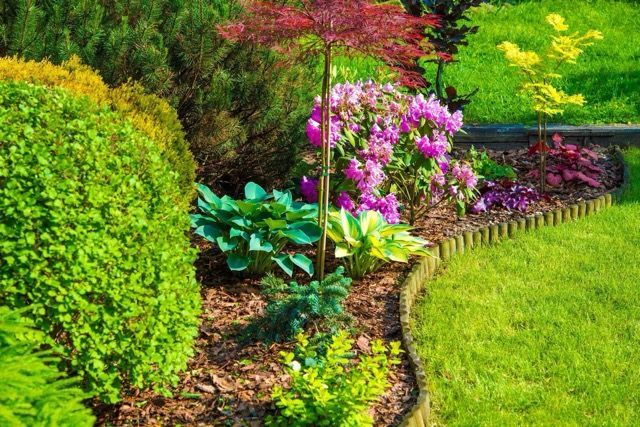
Softscape, on the other hand, is everything living and growing: trees, shrubs, groundcovers, ornamental grasses, seasonal color, and lawn areas. That includes both natural sod and our low-maintenance artificial turf options.
Neither side is "better" on its own. A yard that’s all concrete can feel harsh and uninviting. A yard that’s all plants with no structure can feel messy and hard to use. Your ideal landscape usually lives in the middle—where hard features and living elements support each other and create a sense of flow.
Why Balance Matters: Beauty, Value, and Everyday Use
When hardscape and softscape are thoughtfully combined, several benefits show up right away.
First, there’s the visual impact. Defined patios, walkways, and borders give your plants a clean backdrop so their colors and textures pop. Well-maintained, professional landscaping can increase a home’s value by 15–20% at resale, in part because buyers respond to landscapes that look complete and intentional, not pieced together over time.
There’s also a quality-of-life boost. Homeowners who upgraded their landscaping reported a "joy score" of 9.7 out of 10, reflecting how much they enjoy using their improved outdoor spaces. Thoughtful hardscape makes that enjoyment possible—giving you places to sit, dine, and entertain—while softscape brings life, shade, and comfort.
Using Contrast and Texture to Create Visual Harmony
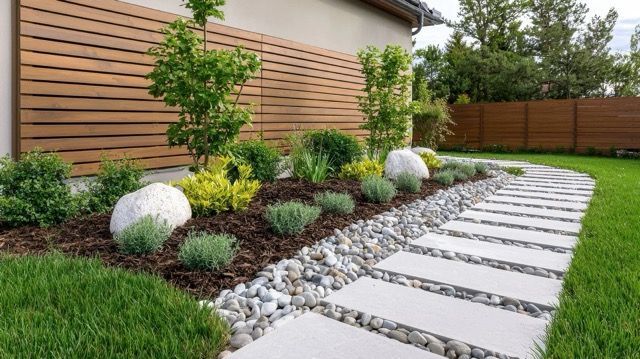
One of the most effective ways to make hardscape and softscape feel cohesive is through contrast in texture. Instead of seeing your patio, turf, and planting beds as separate pieces, we want them to play off each other.
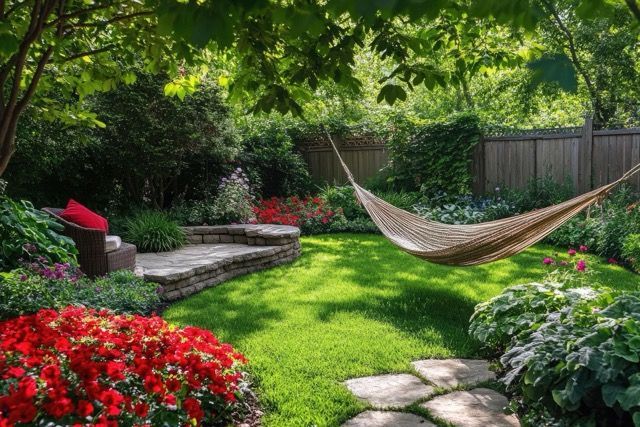
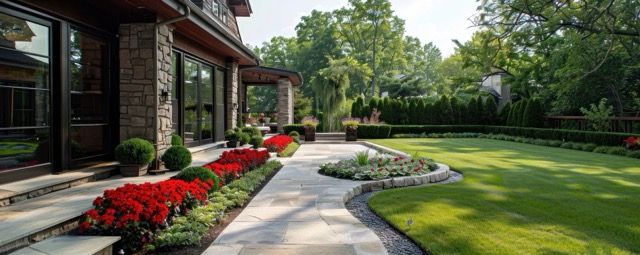
For example, a smooth concrete patio can be softened with lush planting beds along the edges. Feathered ornamental grasses, flowering perennials, or low-growing shrubs create a gentle transition from solid surface to garden. The sleekness of the concrete actually helps the organic shapes of the plants stand out.
Stamped or colored concrete gives you another layer of texture. A warm-toned, stamped patio can echo the natural look of stone, while still providing the durability and clean lines many homeowners want. To complement that, we might design a mix of broad-leaf plants, fine-textured groundcovers, and a structured hedge or two. Together, the different textures create interest without feeling busy.
Even turf plays a role in texture. Artificial turf solutions provide a consistent, evergreen look that contrasts nicely with flowering borders or trees with distinctive bark. The key is to repeat certain textures and materials around the yard so everything feels intentional, not random.
Strategic Placement, Flow, and How You Move Through the Space
Beyond looks, harmony between hardscape and softscape is about how your yard functions day to day. That’s where strategic placement comes in.
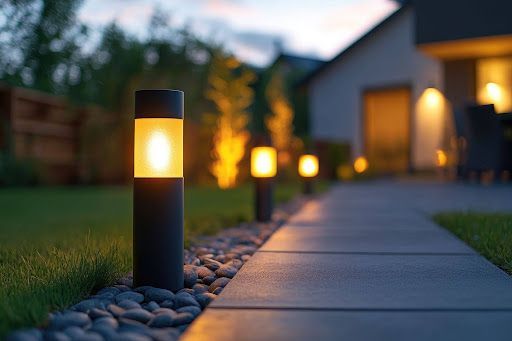
Walkways and paths do more than get you from point A to point B—they guide how you experience the landscape. A thoughtfully placed path can lead guests from the driveway to the front door through a welcoming garden, or from a back patio to a fire pit, pool, or play area. Plantings along these paths frame the view and create rhythm, while hardscape keeps everything accessible and clean underfoot.
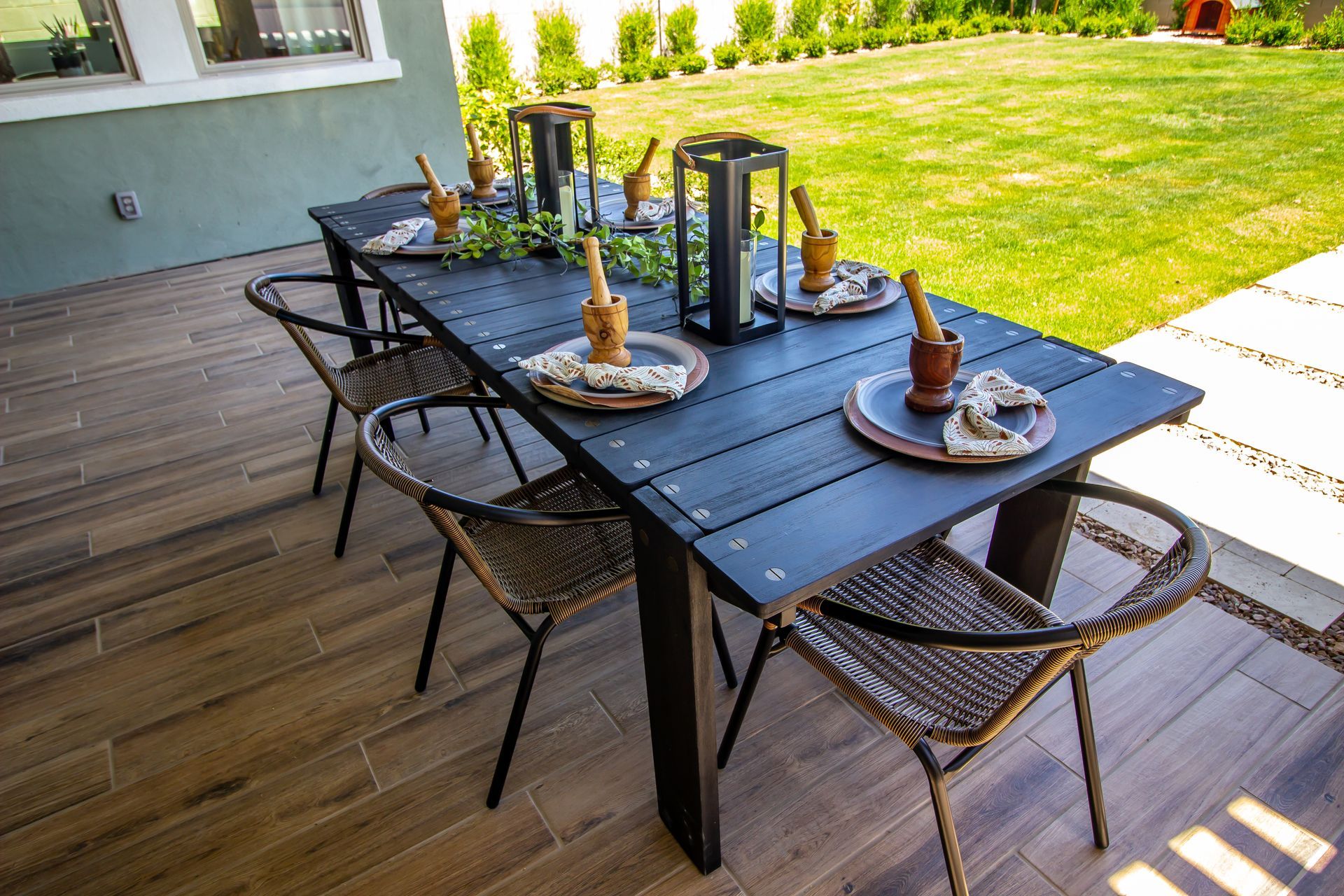
Seating areas are another key piece. A patio tucked too far from the house or isolated from greenery might not get used as often. By contrast, a patio or deck that feels like a natural extension of your indoor living space, surrounded by layered plantings and perhaps a feature like a fire pit or water bowl, invites you outside on weeknights, not just special occasions.
You can explore examples of this in our recent projects, where you’ll see how patios, turf, and planting work together from one space to the next.
Adapting These Principles to Different Property Types
Every property is unique, but the core ideas of balance, contrast, and flow apply just about everywhere. Here’s how we adapt them across different types of outdoor spaces.
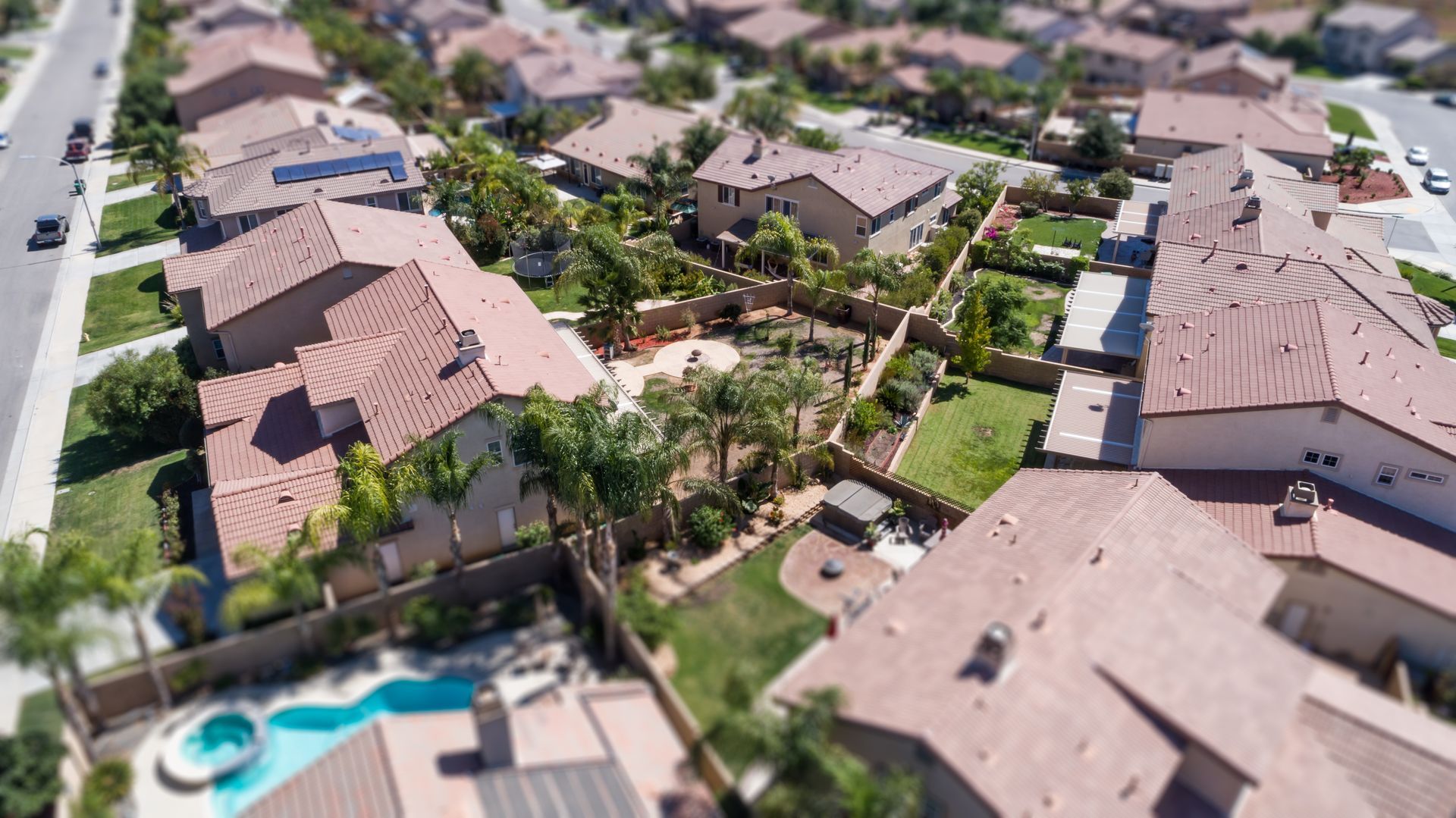
In typical family-sized suburban yards, we often create a mix of zones: a main patio for dining and lounging, a turf area for play, and layered beds along fences or property lines. Hardscape elements such as seat walls, steps, or a built-in fire pit can be integrated so they feel like part of the overall architecture, not an afterthought. Softscape then ties those pieces together, repeating plant colors and textures from front yard to back for a cohesive look.
On larger properties or corner lots, the challenge is usually connection. Multiple patios, walkways, and garden areas may exist, but they don’t always feel like they belong to the same landscape. We use consistent hardscape materials—such as matching concrete finishes or complementary pavers—combined with a unified plant palette to visually connect distant spaces. Curving paths, alleys of trees, or repeated shrubs can draw the eye from one area to the next so the property feels like a single, well-planned environment.
Working with a Professional Team to Bring It All Together
Achieving true harmony between hardscape and softscape is part art, part technical know-how. It requires understanding soil, grading, drainage, plant behavior over time, and the structural requirements of features like patios and walls—along with an eye for design.
That’s where a full-service team like California Exteriors can make the process much easier. Because we handle full landscaping design and installation under one roof, we’re able to plan your yard as a complete, integrated system from the start.
When hardscape and softscape are designed together, your yard feels intentional from the moment you step outside. The patio fits the planting beds, the walkways guide you naturally, and the entire space supports the way you actually live.
If you’re ready to explore what this kind of harmony could look like at your home, we’d be happy to help. You can reach out through our contact page. Together, we’ll design a landscape where every hard edge and soft detail works in sync—so your exterior looks its absolute best, season after season.