Artificial Turf vs. Sod: Which is Right for Your Landscaping Needs

May 5, 2024

Deciding between artificial turf and sod for your landscaping projects is a significant choice that affects not only the aesthetic of your outdoor space but also its functionality and maintenance requirements. Both options have their distinct advantages and challenges, tailored to different types of usage and homeowner preferences. Whether you aim to enhance the appearance of your garden, reduce maintenance costs, or provide a more durable play area, understanding the key differences between artificial turf and sod will help you make an informed decision.


Understanding Artificial Turf


Artificial turf, also known as synthetic grass, consists of synthetic fibers that are designed to mimic the look and feel of natural grass. Initially used in sports arenas, artificial turf has gained popularity in residential and commercial landscapes for its durability and low maintenance. It remains lush and vibrant throughout the year, regardless of weather conditions, and requires no watering, mowing, or fertilizing.


One of the significant advantages of artificial turf is its longevity. High-quality synthetic grass can last up to 15-20 years, making it an excellent investment for homeowners. It's also particularly beneficial in areas with water restrictions or for properties that experience heavy foot traffic, as it doesn't wear down or require rest periods like natural grass.


However, the initial cost of installing artificial turf is typically higher than laying down sod. The preparation of the base layer, along with the cost of the materials themselves, can be substantial. Moreover, while it requires less maintenance, it isn't entirely maintenance-free; it needs occasional brushing to keep the blades standing up and cleaning to prevent odors, especially if pets use the area.


Exploring Sod


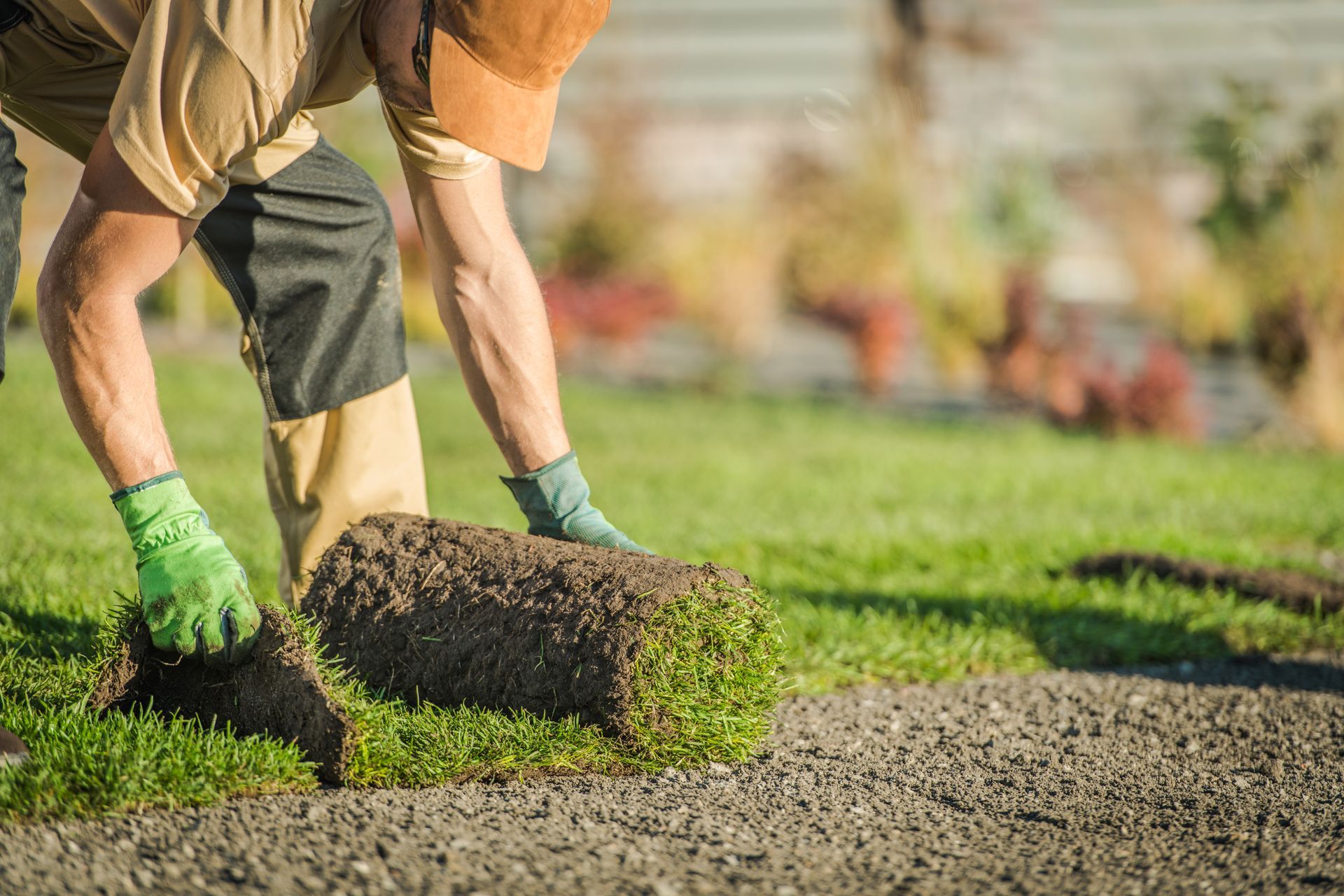
Sod, on the other hand, is natural grass that has been pre-grown and is installed in rolls or squares. It offers an instant solution to bare earth and with proper care, can be walked on shortly after installation. This instant green carpet is very appealing to those who wish to enjoy a natural lawn without the wait time associated with seeding.


Sod requires more maintenance than artificial turf. It needs regular watering, especially in the first few weeks after installation, as well as periodic mowing, fertilizing, and weed control. These ongoing efforts are crucial to maintaining a healthy and attractive lawn. Furthermore, sod is subject to seasonal changes and can be affected by pests and diseases which may require additional care and treatment.

The choice of sod might be more appealing for those who prefer natural landscaping solutions and are willing to invest time in lawn care. It also has environmental benefits like natural cooling properties and the ability to absorb carbon dioxide and release oxygen.


Climate Considerations


When choosing between artificial turf and sod, consider your local climate. Artificial turf might be more suitable in arid or drought-prone areas where maintaining a sod lawn would require extensive water use. In contrast, in cooler climates where water is plentiful, sod might be a more suitable and sustainable choice.


Environmental Impact


The environmental impact of both choices also plays a crucial role in making a decision. Artificial turf is often criticized for being made of plastic and its potential to contribute to microplastic pollution. On the other hand, it eliminates the need for water and chemical maintenance. Sod improves air and soil quality, but it requires significant amounts of water and often chemical fertilizers and pesticides to maintain its appearance and health.


Aesthetic and Functional Preferences


Lastly, aesthetic preferences and functionality should guide your choice. If you desire a year-round green look without seasonal brown spots, artificial turf may be the way to go. For those who prefer the feel and smell of natural grass and enjoy gardening, sod is likely a better fit.


Choosing between artificial turf and sod for your landscaping needs depends on a combination of factors including budget, maintenance preferences, environmental considerations, and personal aesthetics. Each option offers distinct benefits that suit different lifestyles and property requirements. Carefully consider these aspects to determine which option aligns best with your vision for a functional, beautiful outdoor space. This decision will reshape not only the look of your property but also its usability for years to come.


We specialize in creating custom outdoor living spaces that fit your lifestyle and entertainment needs. Contact us today to discuss your project. Don't wait to create the perfect backdrop for making lasting memories with friends and family.
December 9, 2025
California's vibrant real estate market offers homeowners an opportunity to maximize property value through one of the most impactful upgrades: landscaping. Beyond mere aesthetics, well-designed outdoor spaces can transform the first impression of a home, attract discerning buyers, and deliver a substantial return on investment. At California Exteriors Incorporated, we've seen firsthand how thoughtful landscaping can set a property apart in the competitive California housing landscape. The Power of Curb Appeal in the Golden State In real estate, first impressions matter. Curb appeal is the immediate visual impact that a home makes on passersby and potential buyers. It's no coincidence that homes with polished, inviting landscapes consistently sell faster and at higher prices. According to research from the National Association of Realtors , 97% of realtors believe curb appeal is essential in attracting buyers, with basic landscaping improvements like lawn care delivering a return on investment of up to 217%, while softscaping projects such as planting trees and shrubs typically return between 100% and 150% of their cost. For California homeowners, curb appeal is enhanced by features such as lush lawns, carefully selected native plants, and tidy, well-maintained garden beds. These elements not only boost property value but also reflect pride of ownership—a powerful selling point in any neighborhood. Outdoor Living Spaces: Creating Function and Luxury The demand for functional outdoor living areas has soared, especially in California's temperate climate. Buyers are willing to pay a premium for homes that offer usable, attractive outdoor spaces—think patios, decks, pergolas, and outdoor kitchens. These features blur the line between indoor and outdoor living, making homes feel larger and more adaptable to a variety of lifestyles. Recent industry data shows that wood decks can recoup approximately 50% of their cost upon resale, while patios often deliver even stronger returns, with some studies showing ROI between 80-100%. For those considering resale, investing in these additions not only enhances enjoyment while you live in your home but also increases its marketability when it's time to sell. Eco-Friendly Landscaping: Sustainability Meets Value With California's ongoing commitment to environmental stewardship and water conservation, eco-friendly landscaping is more than a trend—it's a necessity. Homebuyers are increasingly drawn to sustainable features like drought-tolerant plants, efficient irrigation systems, and permeable hardscaping. These installations not only reduce water usage and maintenance costs but also position your home as forward-thinking and environmentally conscious. A landscape designed with California natives and drought-resistant varieties can significantly reduce outdoor water use, according to the California Department of Water Resources . Incorporating features such as rain gardens, mulched beds, and smart irrigation systems demonstrates a commitment to sustainability, which resonates with today's environmentally-aware buyers. Maximizing Your Landscaping Investment To ensure your landscaping efforts deliver the highest return, it's important to approach upgrades strategically. Begin by evaluating your property's unique characteristics and considering the preferences of potential buyers in your area. Professional design services, like those offered by California Exteriors Incorporated , can help tailor your landscaping plan to maximize appeal and efficiency. Focus on enhancements that offer both beauty and practicality. For example, installing low-voltage outdoor lighting can highlight architectural features and boost security, while mature trees provide shade and energy savings. According to the Arbor Day Foundation , strategically placed trees can reduce cooling costs by up to 30% and heating costs by 20-50%, contributing to increased property value. The Value of Professional Landscaping While some may be tempted by DIY landscaping, professional expertise ensures that your investment translates to tangible value. Landscaping professionals understand local plant varieties, optimal placement, and design techniques that enhance both aesthetics and function. By partnering with a reputable company like California Exteriors Incorporated, you gain access to tailored solutions that reflect your vision and meet market expectations. Professional installation also ensures compliance with local codes and regulations, helping you avoid costly mistakes and delays. Additionally, a well-documented landscape plan can be a compelling selling point, giving buyers confidence in the quality and longevity of your outdoor improvements. Resale Potential: Landscaping as a Strategic Investment In the context of California's dynamic real estate market, landscaping remains one of the most cost-effective ways to increase home value. Research from Virginia Tech found that upgrading a home's landscape from average to excellent can increase home value by 10% to 12%. For sellers, this means that a modest investment in landscaping could translate to tens of thousands of dollars in additional equity. Moreover, homes with attractive landscaping often sell faster, reducing time on the market and associated carrying costs. Features such as well-maintained lawns, colorful flower beds, and tidy walkways create an inviting environment that appeals to a broad spectrum of buyers. Transform Your Home With California Exteriors Incorporated Elevating your home's landscaping is more than a cosmetic upgrade—it's a strategic investment in your property's future value. Whether you're preparing to sell or simply want to enjoy a more beautiful and functional outdoor space, professional landscaping offers unmatched benefits for California homeowners. At California Exteriors Incorporated , we specialize in designing and installing landscapes that blend beauty, sustainability, and value. Contact us today to discover how our tailored solutions can help you maximize your property's potential and stand out in California's thriving real estate market. Boost your home's value and appeal with expert landscaping—trust California Exteriors Incorporated to guide you every step of the way.
November 11, 2025
Sustainable landscaping is no longer just a trend—it's a necessity for responsible property owners in California and beyond. With ongoing drought conditions, increasing environmental awareness, and a growing desire to conserve resources, adopting eco-friendly landscaping techniques is one of the most impactful ways to create beautiful, functional outdoor spaces that benefit both people and the planet. At California Exteriors Incorporated , we are dedicated to providing our clients with solutions that prioritize environmental health, resource conservation, and long-term landscape vitality. Composting: Turning Waste into Wealth for Your Landscape Composting is one of the most effective and accessible sustainable landscaping practices. By converting organic waste such as grass clippings, leaves, and food scraps into nutrient-rich compost, you reduce landfill waste while creating a valuable soil amendment for your landscape. Compost helps retain soil moisture, reduces the need for chemical fertilizers, and fosters healthy plant growth. Statistics from the U.S. Environmental Protection Agency (EPA) highlight that food and yard waste make up over 30% of what we throw away, much of which can be composted instead. Utilizing compost in your landscaping not only diverts this waste from landfills but also improves soil structure, encourages beneficial microorganisms, and supports robust root systems. It's a closed-loop system that transforms what was once discarded into a resource for a thriving outdoor environment. At California Exteriors Incorporated, we can help design custom composting solutions that seamlessly integrate into your landscape, whether you're managing a residential property or a large commercial site. Our team ensures that compost is used effectively, enhancing the health and sustainability of your soil year-round. Integrated Pest Management: Protecting Plants and the Environment Traditional pest control methods often rely on chemical pesticides that can harm beneficial insects, contaminate groundwater, and disrupt local ecosystems. Integrated Pest Management (IPM) offers a smarter, more sustainable approach. IPM uses a combination of biological, cultural, physical, and, when necessary, chemical tools to manage pests in an environmentally responsible manner. A well-executed IPM plan starts with monitoring and correctly identifying pest issues, followed by interventions that target the root cause. These may include encouraging natural predators, selecting pest-resistant plants, or modifying irrigation practices to prevent pest outbreaks. By only using chemical controls as a last resort, IPM minimizes environmental risks while maintaining healthy, vibrant landscapes. According to the University of California Statewide Integrated Pest Management Program , IPM can significantly reduce pesticide use and promote long-term pest control through ecological balance. At California Exteriors Incorporated , we design pest management strategies that support the health of your landscape while safeguarding pollinators and other beneficial wildlife. Energy-Efficient Outdoor Lighting: Beauty Without Waste Outdoor lighting is essential for safety, aesthetics, and functionality, but it can be a significant source of energy consumption if not managed wisely. Sustainable landscaping embraces energy-efficient lighting solutions such as LED fixtures, solar-powered lights, and smart controls that reduce electricity usage and minimize light pollution. LED lights, for example, consume up to 75% less energy and last 25 times longer than traditional incandescent bulbs, as reported by the U.S. Department of Energy . Solar-powered fixtures harness California's abundant sunshine, providing illumination without ongoing energy costs. Smart lighting systems can be programmed to operate only when needed, further reducing waste. At California Exteriors Incorporated, we specialize in designing and installing outdoor lighting systems that blend seamlessly into your landscape while optimizing energy efficiency. Thoughtful placement and fixture selection ensure your property remains safe, welcoming, and visually stunning after dark—without unnecessary environmental impact. Incorporating Recycled Materials: Sustainable Style Another cornerstone of sustainable landscaping is the use of recycled and repurposed materials. By choosing recycled-content pavers, reclaimed wood, or repurposed glass for hardscapes and design features, you reduce the demand for new raw materials and divert waste from landfills. Not only do recycled materials often require less energy to produce, but they also bring unique character and texture to landscape projects. Permeable pavers made from recycled concrete or glass, for example, support stormwater management by allowing rainwater to filter through the surface, reducing runoff and erosion. Using reclaimed materials in creative ways—such as benches, retaining walls, or decorative accents—adds a distinctive, eco-friendly touch to any outdoor space. California Exteriors Incorporated is committed to sourcing high-quality recycled materials whenever possible, ensuring that each project reflects both environmental stewardship and timeless design. We work closely with clients to identify opportunities for sustainable material choices that align with their vision and values. The Broader Impact: Environmental and Community Benefits Embracing sustainable landscaping isn't just about individual properties—it's about contributing to a healthier environment for all. Composting reduces methane emissions from landfills, IPM safeguards pollinators essential for California's agriculture, and energy-efficient lighting cuts greenhouse gas emissions. These practices support biodiversity, protect water resources, and create outdoor spaces that are both beautiful and resilient. Property owners who invest in sustainable landscaping often see long-term savings in water, fertilizer, and energy costs, while also enjoying healthier plants and increased property value. As a leader in the industry, California Exteriors Incorporated partners with clients to develop landscapes that thrive today and for generations to come. Transform Your Landscape with Sustainable Practices  Ready to transform your landscape with sustainable practices? Discover how California Exteriors Incorporated can help you create an outdoor environment that's as kind to the planet as it is to the eye. Reach out to our team to start planning your next eco-friendly landscaping project!
Person in gloves planting a seedling in dark soil outdoors.
October 14, 2025
Protect your California garden year-round with expert tips on managing heat, drought, and storms using climate-adapted plants and smart strategies.
Young green seedlings growing in black pots arranged neatly on a light-colored surface.
September 16, 2025
Unlock successful landscaping by understanding soil types, testing, and amendments. Learn about organic vs. chemical treatments for a thriving outdoor space.
Xeriscaping vs. lawn care
August 19, 2025
Transform your yard into a water-wise oasis with xeriscaping. Learn the benefits, principles, and steps to create a low-maintenance landscape. Contact us today.
A bird in a birdbath in a garden
July 22, 2025
Create a wildlife-friendly California garden by planting native species, adding habitat features, and using eco-friendly practices to support local biodiversity.
June 24, 2025
Explore the top landscape design trends in California this year. Discover what’s hot and get inspired to refresh your outdoor space with the latest styles.
Stone path winds through a lush garden with diverse green plants, leading towards a house.
May 27, 2025
Discover low-maintenance landscaping solutions ideal for California, featuring drought-tolerant plants and easy-care designs for a beautiful, sustainable yard.
April 29, 2025
Transform your backyard with innovative hardscaping ideas. Discover creative designs to enhance your outdoor space’s beauty, function, and value in California.
April 1, 2025
Sacramento’s warm Mediterranean climate provides a rich backdrop for designing outdoor spaces that flourish year-round. From the timeless appeal of traditional landscapes to sleek contemporary layouts with modern hardscapes, selecting the right landscaping style can enhance curb appeal, boost property value, and create a personal oasis for enjoying the region’s abundant sunshine. Below is an exploration of various landscaping styles, what makes them suitable for Sacramento’s climate, and how you can adapt them to your home. Understanding Sacramento’s Climate for Landscaping Success Sacramento experiences long, hot summers and mild, rainy winters. According to the National Weather Service , the city sees an average of over 250 days of sunshine annually. With such abundant sunlight and seasonal fluctuations, it’s vital to choose plants that can tolerate high temperatures and occasional drought. Many homeowners incorporate irrigation systems designed for efficiency, such as drip irrigation or smart controllers, which help reduce water waste. Proper drainage is also essential during the rainy months to prevent waterlogged soil and root damage. By paying close attention to water needs and planting zones, you can ensure a sustainable, vibrant landscape all year. Traditional Landscaping: Timeless Elegance Traditional landscaping in Sacramento relies on a carefully structured aesthetic known for its symmetry, lush greenery, and unified design elements. Well-manicured lawns and ornamental shrubs are common in these spaces, offering a sense of refined order. Classic shrubs, such as boxwood or holly, work well for property borders, while perennials like lavender and Echinacea add seasonal color. Including small trees, such as crape myrtles, introduces shade and blossoms, especially during the sun-drenched summer months. This style can be visually stunning and creates a welcoming environment, but it is worth noting that maintaining neat, orderly structures can require considerable effort. If you have limited time for yard care, consider hiring professional landscapers or selecting slightly less maintenance-intensive varieties within the traditional style. Contemporary Landscaping: Sleek and Minimalist Contemporary landscapes place an emphasis on clean lines, open spaces, and modern materials like concrete, metal, and stone. Instead of relying on broad expanses of lawn or dense plantings, these designs often use monochromatic hardscapes and carefully chosen, drought-tolerant plants to create bold statements. Succulents and heat-resistant species such as agave or yucca coordinate beautifully with stone or gravel backgrounds, producing a striking contrast. These spaces usually require less water and upkeep than more plant-heavy designs, thanks to minimal lawns and reliance on hardscapes. By embracing sleek walkways, polished planters, and architectural features, you can craft a low-maintenance yard that showcases modern sophistication while supporting water conservation efforts. Eclectic Landscaping: Blending Styles For homeowners who are drawn to a mix of aesthetics, eclectic landscaping combines elements from different themes into a harmonious whole. This flexible approach allows you to introduce traditional flourishes, contemporary edges, or even Mediterranean and Asian-inspired details. Choosing plants that share similar watering and light requirements is essential so each portion of the yard remains healthy and cohesive. An example of this might be pairing ornamental grasses such as fountain grass with drought-tolerant groundcovers like lantana, or installing a small water feature made from native stones as a focal point. Eclectic designs thrive when every addition feels intentional, giving your yard a vibrant yet unified appearance reflective of your personal style. Considering Property Size and Maintenance Virtually any landscaping style can be adapted to fit the size of your property. Smaller lots benefit from creative solutions that maximize vertical space, such as climbing roses or trellises, to draw the eye upward. Larger properties might allow for winding pathways, separate entertaining areas, or garden “rooms” defined by hedges or privacy screens. Regardless of your yard’s size, long-term maintenance should remain a key focus. Frequent pruning, fertilizing, and watering may be essential for some designs, whereas others encourage self-sustaining, drought-tolerant species. Matching your lifestyle and schedule with the demands of a particular landscaping style ensures your outdoor space remains a joy rather than a burden. Seasonal Changes and Local Flora Although Sacramento winters are mild, seasonal shifts still affect how plants grow and bloom. Native California wildflowers, such as California poppies, often put on their show in the spring, while winter annuals like pansies add color through cooler months. Embracing several plant varieties that flourish in different seasons can keep your yard lively and interesting year-round. Spring is an excellent time for planting new shrubs and performing general garden enrichment. Summer requires diligent irrigation and mulching to protect root zones from high temperatures. Fall marks the moment for pruning and preparing your garden for cooler, wetter conditions. For guidance on selecting native plants best suited to the region’s specific climate and soil conditions, the California Native Plant Society offers extensive resources. Incorporating Reliable Water Conservation Water conservation remains a central concern in California. Even if you don’t opt for a purely xeriscape garden, implementing water-saving techniques can significantly reduce both costs and environmental impact. Trimming outdoor water usage down can lead to substantial overall conservation in drought-prone regions.  Installing drip irrigation systems targets water directly to root zones, while carefully timed sprinklers ensure minimal waste. Mulching around plants and choosing drought-tolerant species are additional strategies that help the soil retain moisture. By prioritizing efficient watering practices, you can craft a beautiful space without placing excessive stress on Sacramento’s water supply. Embracing the Sacramento Lifestyle Landscaping in Sacramento often mirrors the city’s relaxed, welcoming atmosphere. Residents frequently use their yards for social gatherings, barbecues, and quiet reflection, so consider how your space will function day-to-day. If you host friends and family regularly, planning for seamless foot traffic and comfortable seating is crucial. Those seeking relaxation might look for shady corners and small water features that introduce the soothing sound of moving water. When style, comfort, and functionality come together, your landscape can become a cherished extension of your home. If you’re interested in professional advice or exploring personalized solutions tailored to your property, we invite you to visit our California Exteriors website for more resources. For a direct conversation about designing the perfect outdoor space for your Sacramento home, head to our Contact page and let us help you transform your landscape into a flourishing haven that truly reflects your lifestyle.